
Mindfulness and Compassion Teacher Training
Learn Mindfulness and Compassion and Then Train to Teach Others.
MindfulnessUK is a leading mindfulness and compassion training organisation, teaching accredited courses online.
Sign up to our newsletter by clicking the button below:
If you wish to chat about your options, just call us on:
Are you interested in becoming a mindfulness and compassion teacher?
MindfulnessUK provides mindfulness and compassion training courses so that you can learn and develop your mindfulness career wherever you are in the world. There has never been a better time to start your mindfulness and compassion training with us. Watch our video, meet Karen Atkinson, CEO and co-Founder, and find out more about our training pathways.
Delivered in an accessible way, using our Learning Management System and Community Membership for masses of additional resources.
We understand the importance of ensuring that you choose the right course for you and have therefore accredited a number of our courses including The JOY Programme.

What is the right mindfulness and compassion training for me?
Depending where you are in your mindfulness and compassion career will determine which course is right for you. Whether you are starting out, you are keen to learn how to teach others, or you are a mindfulness teacher who wants to develop your skills further we use different learning materials and methods so that every mindfulness course is comprehensive, motivational and gives you the tools you need.
Training To Teach Others Q&A Session
To help you find out more about the teacher training courses that we offer and to help you find the right course for you, join Angie Ward, an experienced mindfulness and compassion teacher most Fridays at 1.15pm. (These events are via zoom) and Angie or one of her team will be there to listen to your requirements and signpost you to information and specific events related to your enquiry.
DUE TO EASTER BREAK the next session will be Friday 12th April 2024

Teacher Training Courses
Deciding on which mindfulness and compassion teacher training course pathway to follow is very much dependent on whether you want to teach the internationally renowned MBSR course to others or have the freedom to be more flexible through the IMC qualification . To help you make that decision and you have an intention to enrol join either of our 'Meet The Tutor' sessions. Each session is led by an experienced tutor and will include a more in-depth look at each course and a Q&A session.

If you are intending to do the Mindfulness-Based-Stress Reduction Teacher Training and have the relevant prerequisites then join Chika Okorafor on Tuesday the 23rd April at 12.30pm. to find out more about this training pathway.

If you are planning to do the next unique Integrating Mindfulness and Compassion Qualification course please sign up for the next Meet the Tutor event on Monday the 22nd April at 1.15pm. You will find out all you need to know about this accredited course and have space ask any questions that you might have. Can't make that date? Sign up anyway and recieve a recording of the presentation.
Mindfulness-Based Stress Reduction (MBSR) Course
Our eight-week evidence-based Mindfulness-Based Stress Reduction course is a good introduction to mindfulness and compassion.
Based on the gold standard MBSR course developed by Jon Kabat-Zinn, this course will give you the tools to manage stress, anxiety and pain.
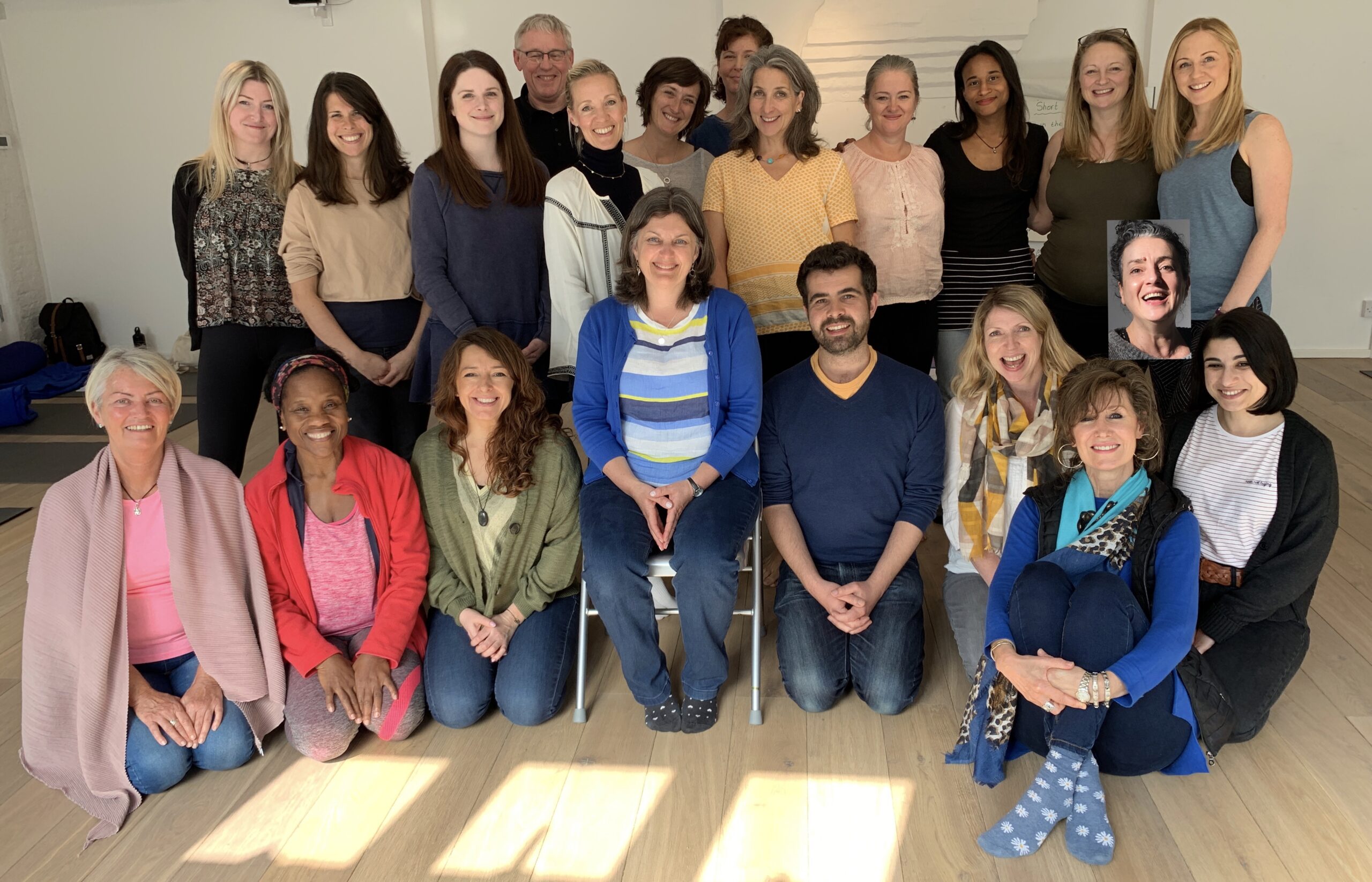
Training designed to suit you
Most of our training is delivered in a virtual classroom and for some courses there is also the opportunity to learn via an e-Course or on location in a group setting.

Virtual Classroom

e-Course
The JOY Programme
The JOY Programme supports the mental and emotional health and well-being of everyone in the health and social care sector with mindfulness and compassion.
Low morale, the impact of post pandemic stress disorder and secondary trauma from challenging emotional jobs can all lead to an increase in employee absence or retention. To support you and your employees our experienced team at MindfulnessUK have developed The JOY Programme because there is Just One You. This 'train-the-trainer' programme will teach a group of employees how to lead mindfulness and compassion in the workplace, improving the psycho-social working environment and health and well-being of your employees.
Connect, collaborate and be part of our Community Membership
We welcome all our mindfulness and compassion students and graduates to join our Community Membership and connect with like-minded mindfulness advocates and continue to gain insight and knowledge from the MindfulnessUK team and each other.

Don't just take our word for it...
Incredibly sensitive and supportive approach from Angie Ward and MindfulnessUK. Upholding us through the transformation of learning during the course and through the pandemic. (IMC, Sept 2020)
Dawn Burnham
I have turned a few on to Karen’s book and it’s really wonderful. Thank you for writing it.
Amy Miller, Buddhist Nun
Thank you Karen for your lovely words and for being such a caring and inspirational teacher and a wonderfully supportive supervisor. I will keep close and look forward to keeping in touch with you and your wonderful team. Thank you again lots of love and best wishes Julia xx
Julia Forster
This was a course that definitely had positive impacts and changes in different areas of my life. The MindfulnessUK staff are Great, Amazing, Incredible, Always supported when is needed. Glad that I am doing the MBSRTT with this incredible institution made by INCREDIBLE PEOPLE.